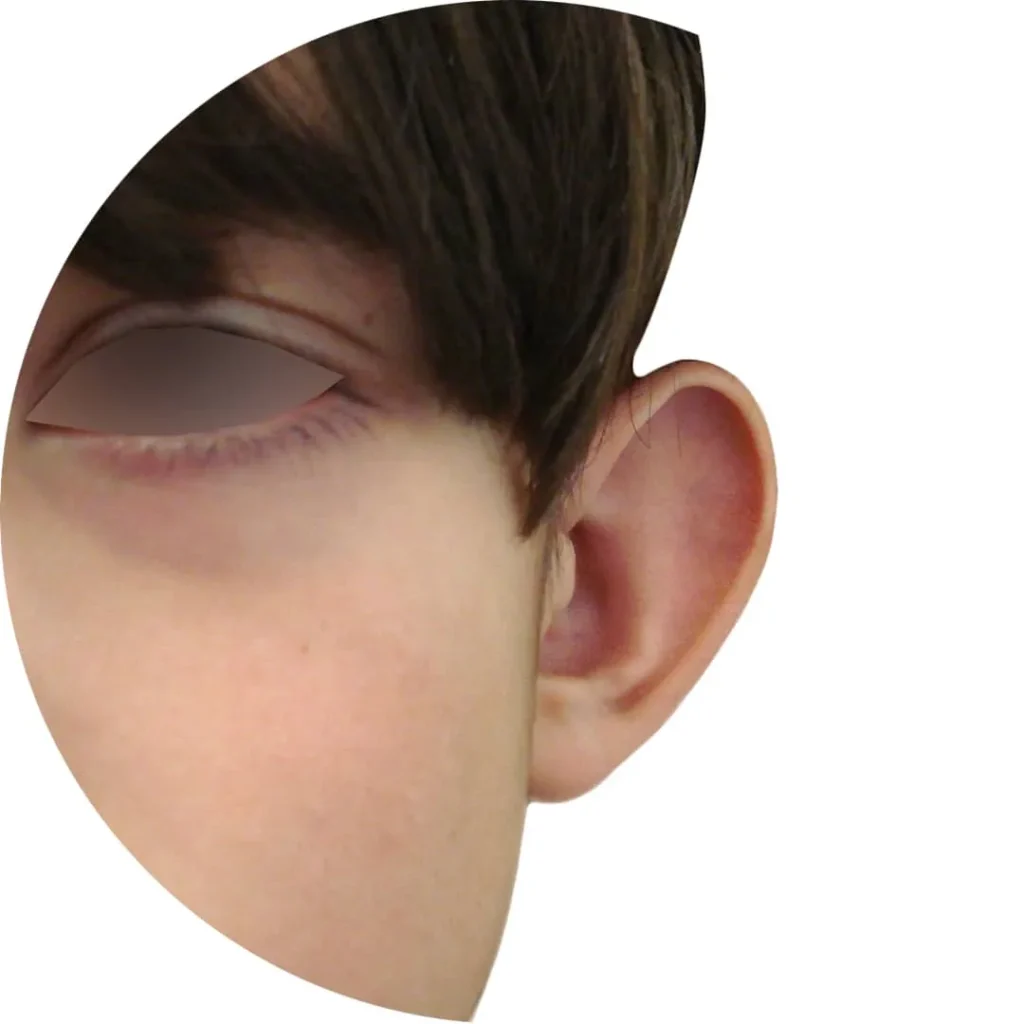
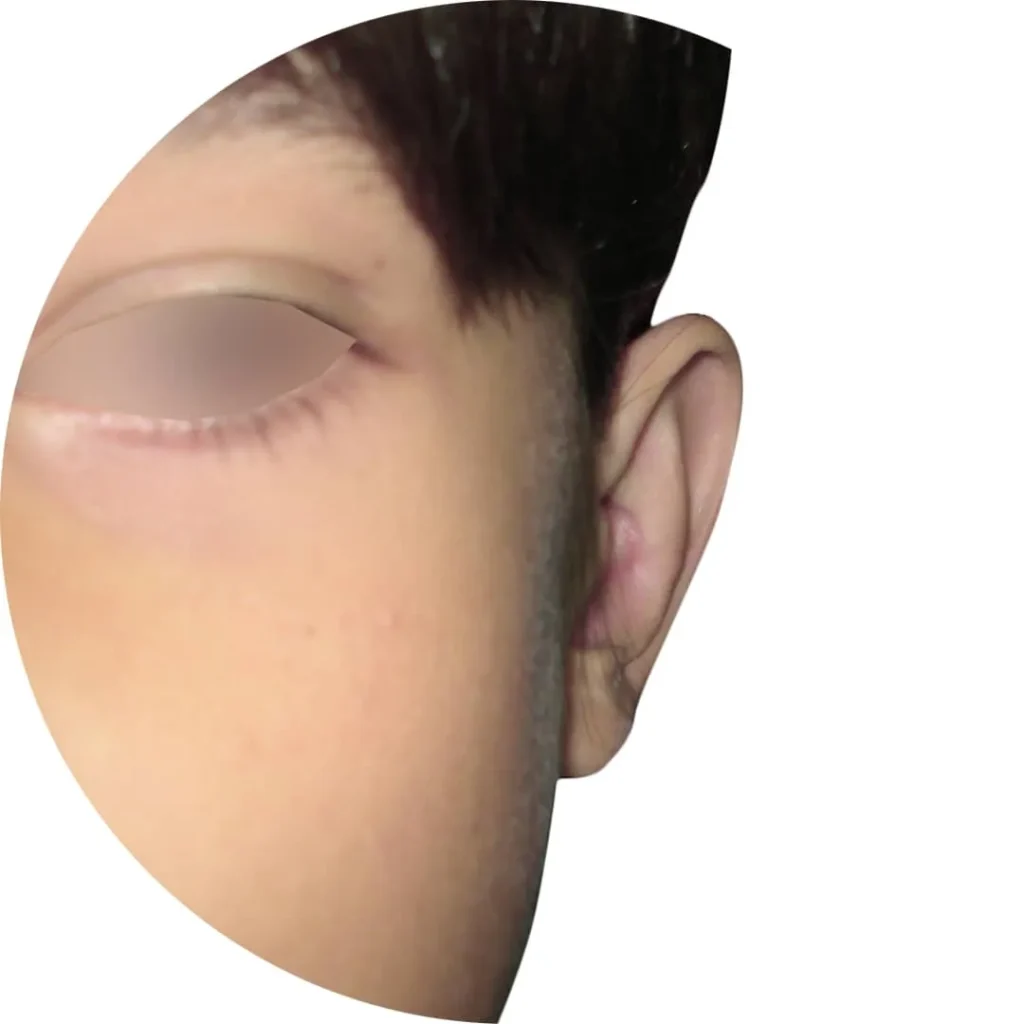
After the procedure, the wounds will be sutured, you may have tampon sutures placed, and the necessary material and bandage will be placed over this.
After the procedure, a recovery period begins, which can be psychologically and physically demanding depending on the type of surgical treatment. When you return to your home environment, ensure that you have peace and quiet to rest. For another 6 hours after the procedure, avoid lying on a flat surface (propping your head), lifting heavy loads, and heavy physical activities. Be prepared to need some help with basic needs. It is expected that you will feel pain after the surgery, but the intensity and duration of the pain vary from person to person and depend on the surgical procedure, the patient’s anatomy, and their personality; the perception of pain is subjective and cannot be compared between patients. No severe pain is expected after this procedure; it usually subsides within a few days after the surgery.
After removal of the binding material: Once most of the binding material has been removed (usually at the first check-up after the procedure), start wearing the compression ear band. Wear it all the time for the first 2 weeks after the procedure, then only at night and during activities where you could injure your ears (e.g. sports) for another 4 weeks.
Until the wounds have healed: If you wear glasses, avoid them for 2-3 weeks after surgery, until the wounds have healed, or properly cushion them so that they do not put direct pressure on the operated area. During this time, you should also avoid getting the wounds wet; we recommend that someone help you wash your hair to avoid getting the operated area wet. This will provide the wounds with an optimal healing environment and prevent the risk of infection.