The nose is central to the face and has a significant impact on its attractiveness. The “ideal” female nose is characterized by a straight back that transitions into a slightly raised tip. The “ideal” male nose is completely straight.
Various congenital or acquired nasal abnormalities can cause a person to have poor self-image, impaired self-confidence and difficulty in establishing social contacts. Sometimes only one area of the nose is problematic, for example the tip of the nose or a pronounced hump. More often, however, there are several abnormalities. Major nasal irregularities, such as a twisted or broken nasal axis and an irregular shape of the nasal septum, are often the result of previous injury. This can also be associated with a number of functional problems, such as breathing problems, snoring and allergy-like symptoms. In such cases, in addition to improving the appearance, the functional disorder must also be carefully analyzed.
Rhinoplasty is roughly divided into two types according to the approach: open and closed. The closed approach is performed through an incision on the inside of the nose. In the open approach, the incision is made at the base of the nose. This approach allows the surgeon to lift the skin from the nasal frame and have very good visibility of the underlying cartilage and other nasal structures, which the surgeon repairs under visual control. The goal of both techniques is to reshape the cartilage and bone part of the nose. Experienced surgeons are often trained in both, and the decision to use which technique is made together with the patient, depending on the complexity of the procedure.
The surgery is usually performed under general anesthesia and lasts from one to three hours. The nasal splint is removed seven to ten days after surgery. Temporary swelling and bruising are visible after surgery, depending on the complexity of the procedure. The final result of the surgery can be assessed six months after the procedure.
The goal of most modern rhinoplasty techniques is to reshape the cartilage and bone part of the nose and add cartilage grafts.
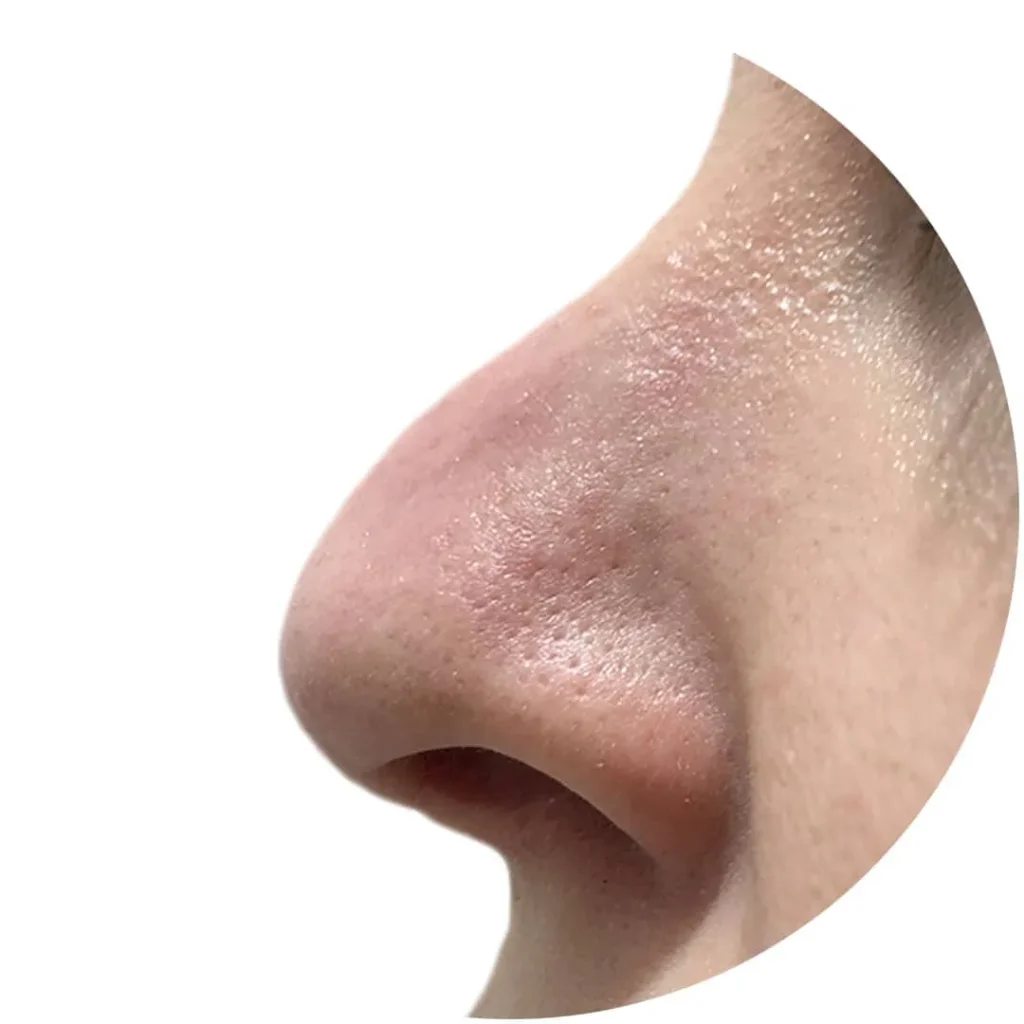
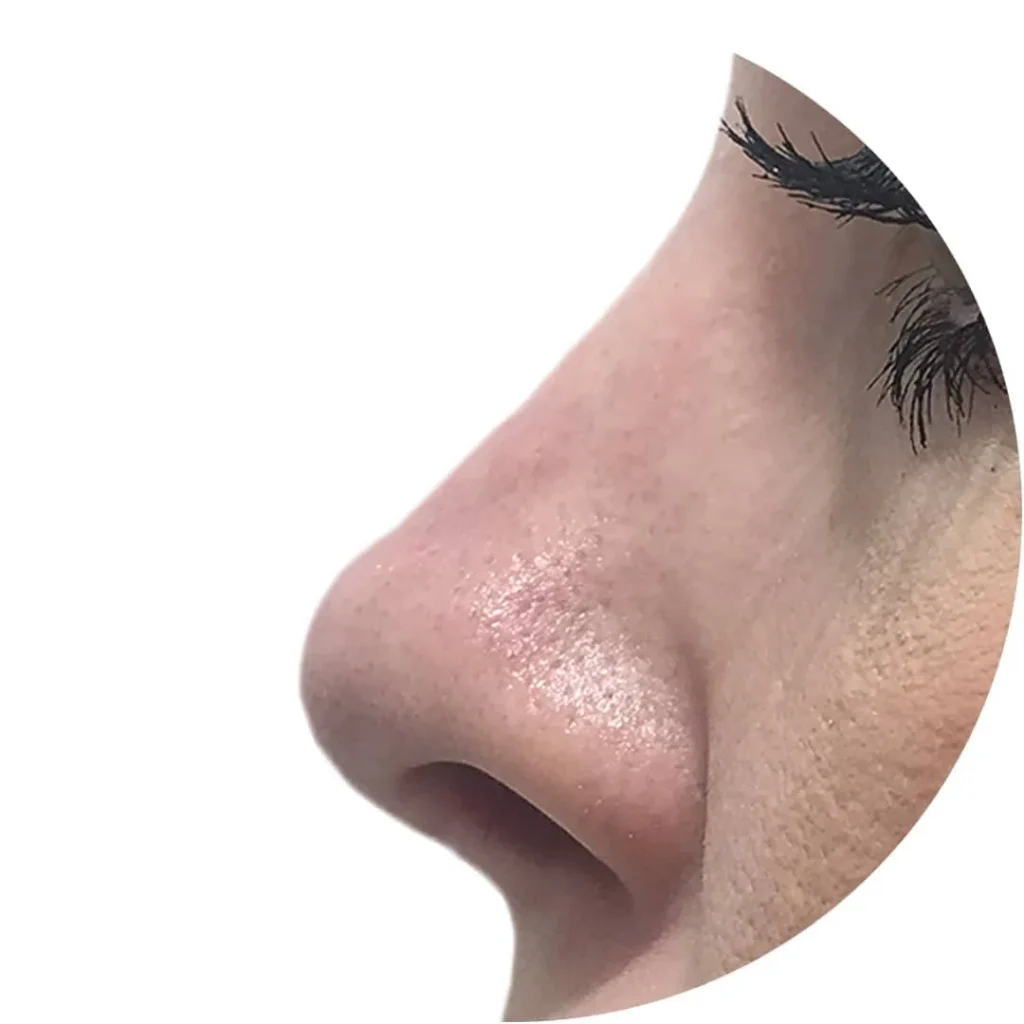
After the procedure, the surgical wounds will be sutured, adhesive tape will be placed over them, and a nasal splint and patches will be placed over them. Tampons will be placed in the nostrils.
After the procedure, the recovery period begins, which is psychologically and physically demanding depending on the type of surgical treatment. When you return to your home environment, ensure that you have peace and quiet to rest. For another 6 hours after the procedure, avoid lying on a flat surface (propping your head), lifting heavy loads and heavy physical activities. Be prepared to need some help with basic needs. It is expected that you will feel pain after the procedure, but the intensity and duration of the pain vary from individual to individual and depend on the surgical procedure, anatomy and personality of the patient; the perception of pain is subjective and cannot be compared between patients. No severe pain is expected after this procedure; this usually subsides within a few days after the operation. Swelling and bruising are transiently visible after the operation. The swelling decreases with cooling in the first days after the operation, and the bruising disappears within three weeks. The stitches are usually removed after a week.
After removing the tampons from the nostrils: until the stitches are removed, clean the inside of the nostrils twice a day with saline solution and then apply antibiotic ointment.
While you have stitches: While the wound is still in stitches (7-10 days after surgery), you should not wet the wound directly. Do not remove the nasal splint or adhesive tape from the wound. This will provide the wound with an optimal healing environment and prevent the possibility of infection.
Until the wounds heal: Avoid using any makeup on the operated area for 2-3 weeks after surgery. If you wear glasses, avoid wearing them until the wounds heal, or cushion them properly so they do not put direct pressure on the operated area.