Complex facial injuries mark a person for life, so timely and proper care is key. Only with knowledge of all surgical techniques and laser technology can we restore a beautiful aesthetic appearance and smile.
Facial injuries are common and can affect only the skin and soft tissues, or the skeleton (facial bones) and cartilage of the nose and ears are also damaged. Complex injuries mark a person for life, so timely and proper care is key.
Due to the exposure of the face to solar and climatic effects, the face also has invasively growing malignant skin tumors, which often require radical excision and reconstruction. Knowledge of anatomy, various surgical techniques and laser technology are key to comprehensive treatment and optimal treatment results. Facial injuries and previous surgeries always leave scars and various irregularities, which can be corrected at any time later.
All injured persons require a thorough clinical examination, in certain cases additional diagnostic imaging (X-ray, CT) and rapid, precise treatment, under local or general anesthesia. Clinical examination allows us to assess damage to the skin and mucous membranes, branches of the facial nerve and facial bones. Since the face is well-vascularized, wounds on the face bleed profusely, so rapid surgical exploration is necessary, in which we accurately assess which tissues are damaged and to what extent. With the help of good surgical technique and gentle handling of tissues and with the help of surgical loupes, we then remove dead tissue, refresh the edges of the skin and damaged structures and suture them as precisely as possible. In addition, we often use microsurgery and free tissue transfer techniques.
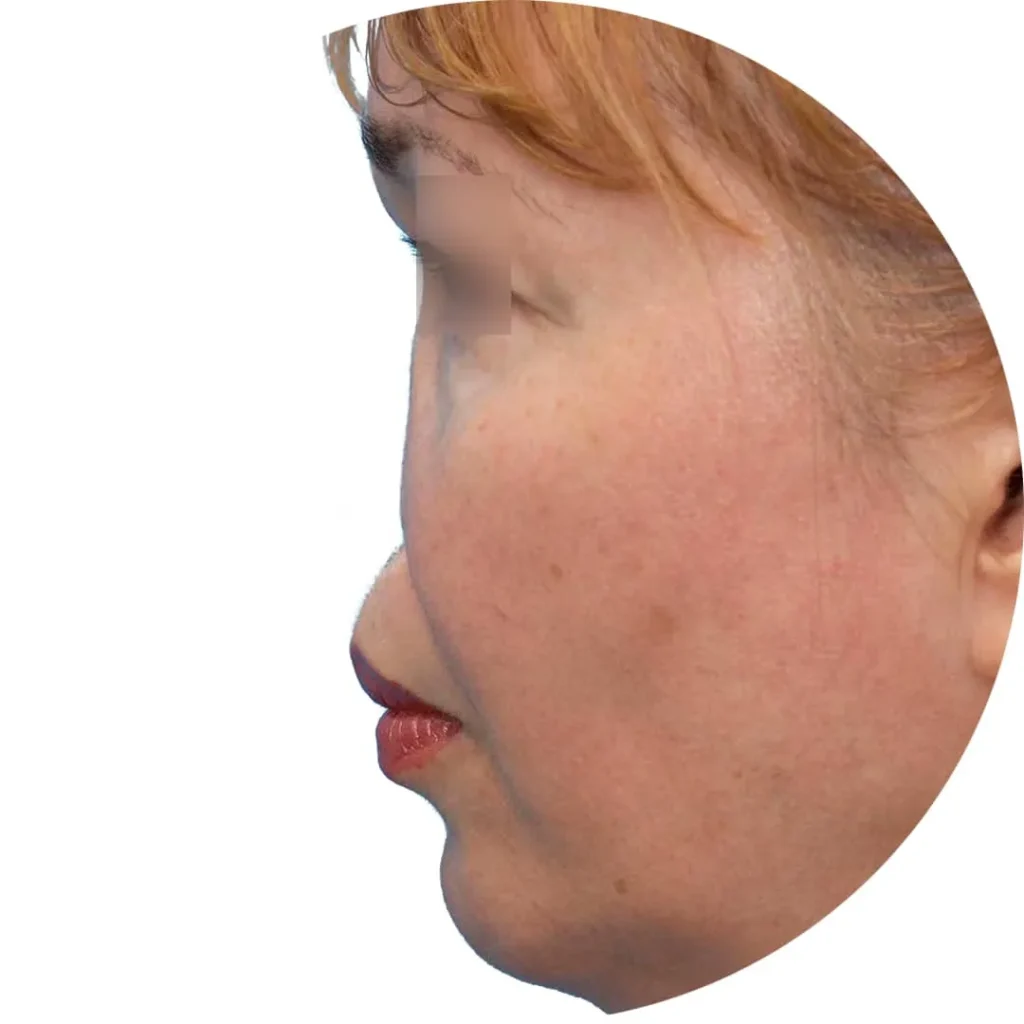
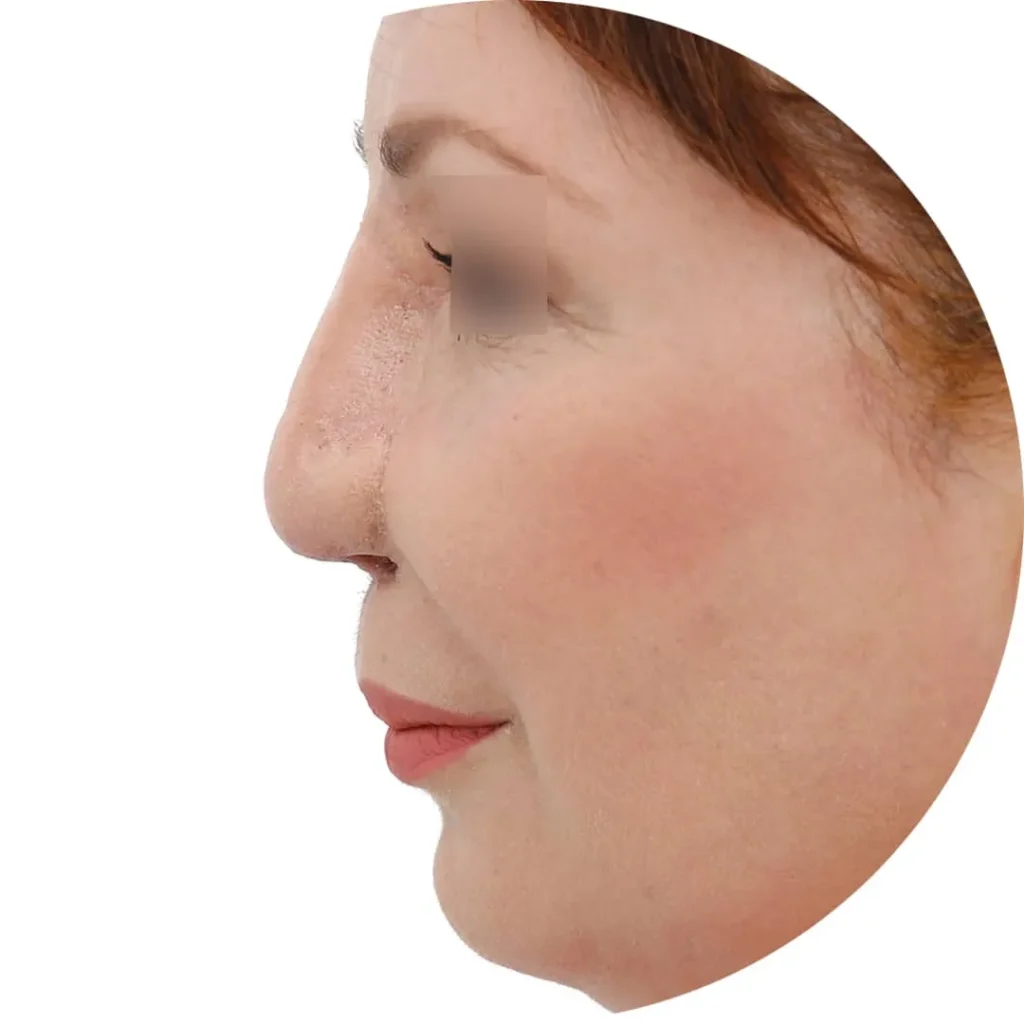
After the procedure, the surgical wounds will be sutured, a protective ointment will be applied over them, and patches will be applied on top.
Until the wounds have healed: 3 days after the surgery, you can gently wash your hair with a mild shampoo without perfumes (e.g. baby shampoo). We recommend using a mild shampoo until the wounds have healed, which is usually 2-3 weeks after the surgery. During this time, you should also avoid using any makeup on the operated area. For 4 weeks after the surgery, do not dye your hair, do not blow-dry, do not perm your hair, and do not use any products that remain on your hair (hairspray, mousse, gel, etc.). To cover the effects of the surgery and protect yourself from the discomfort of light, you can wear sunglasses after the surgery. Do not forget to bring them with you to the medical center. Good wound healing also depends largely on you. You can positively influence it by resting and adjusting your activities, taking proper care, eating a proper diet, and abstaining from smoking for at least 4 weeks before the surgery and at least 2 weeks after the surgery.