The term facelift encompasses a whole range of different procedures that have a common goal: to improve the appearance of the face, lift and redistribute sagging soft tissues, remove excess stretched skin, smooth out wrinkles and furrows, and re-emphasize youthful lines of the face and neck.
The main purpose of a facelift is to very discreetly improve the appearance of the face by surgically reshaping the skin and fat pads of the face. The incision is best hidden in the skin folds in front of and below the earlobe and behind the ear in the scalp. The length and course of the incision depend on the tissues that need to be adjusted; the greater the tissue movement required and the more excess skin that needs to be removed, the longer the incision. The operation is usually performed under general anesthesia, but is rarely performed under local anesthesia or sedation, depending on the complexity.
To reduce bleeding and swelling, we inject a solution of anesthetic and adrenaline into the face, which constricts the blood vessels, partially preventing swelling and reducing the risk of bleeding. Then, we lift the skin flaps and redistribute and strengthen the underlying soft tissues. Finally, the skin is reshaped (cut and redistributed). The goal of the operation is a youthful and natural appearance of the face without visible scars and tension lines. If the person does not want a complex procedure under general anesthesia that takes several hours, which gives the best, lasting results, we can also suggest and perform other, less aggressive procedures under local anesthesia and combine them with non-invasive techniques.
A youthful appearance can only be achieved if we treat all aesthetic units of the face and neck, which is why a facelift is often combined with aesthetic eyelid correction and eyebrow arch lift , as well as laser rejuvenation .
Less complex facelift surgery can be performed under local anesthesia, while more complex ones are usually performed under general anesthesia.
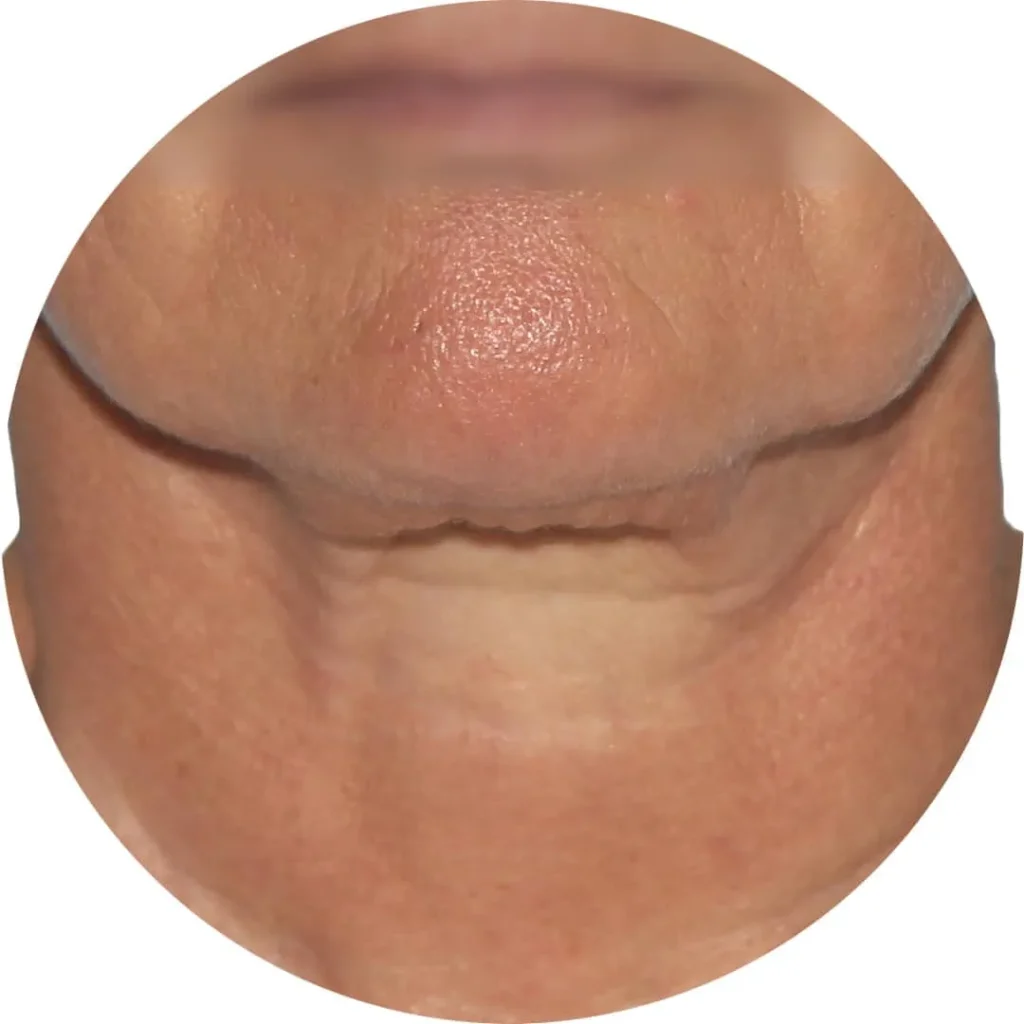
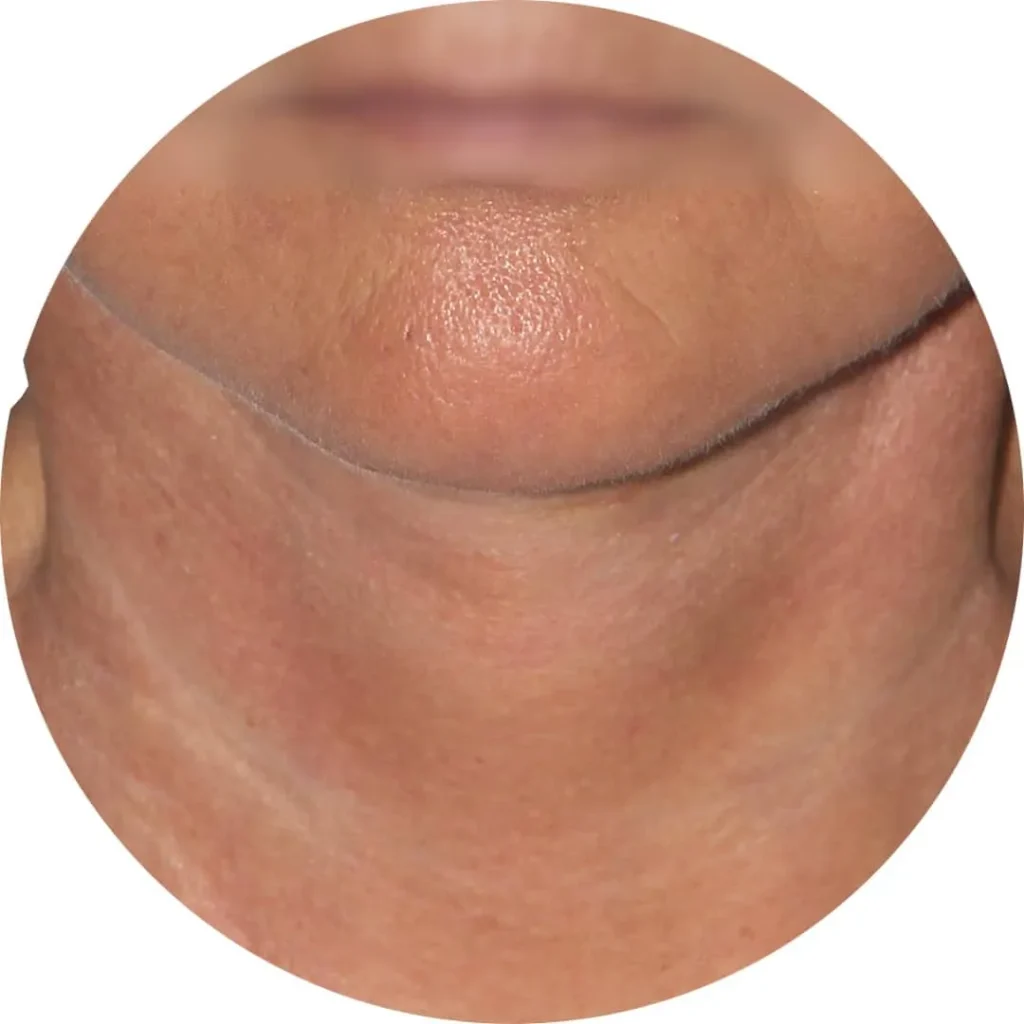
After surgery, a recovery period begins, which can be psychologically and physically demanding depending on the type of surgical treatment. When you return to your home environment, ensure that you are able to rest. Be prepared to need some help with basic needs (feeding, care). It is expected that you will feel pain after surgery, but the intensity and duration of pain vary from person to person and depend on the surgical procedure, anatomy and personality of the patient; pain perception is subjective and cannot be compared between patients. No severe pain is expected after this procedure; it usually subsides within 5 days after surgery. Swelling and bruising are transiently visible after surgery. Swelling decreases with cooling in the first few days after surgery, and bruising disappears within three weeks. Stitches are usually removed after a week.
Wound healing after facelift surgery is a complex process that is influenced by good surgical technique, the genetic characteristics of the individual and their general condition. In order to make the scars as beautiful as possible, we use advanced surgical techniques, hide the incisions in skin folds or place them on the border between two aesthetic units, sew the tissue in several layers to relieve tension so that the pull of the surrounding tissue on the wound is as small as possible, and when sewing the skin, we use an intradermal suture that leaves no traces of stitching on the skin surface. Good wound healing also depends to a large extent on you. You can positively influence it with rest and adapted activity, proper care, proper nutrition and abstinence from smoking for at least 4 weeks before the procedure and at least 2 weeks after the procedure.