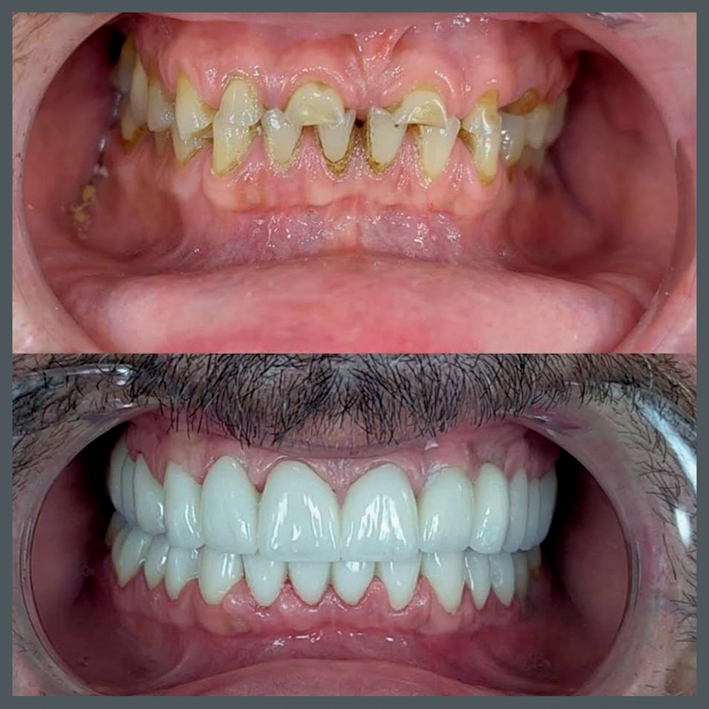
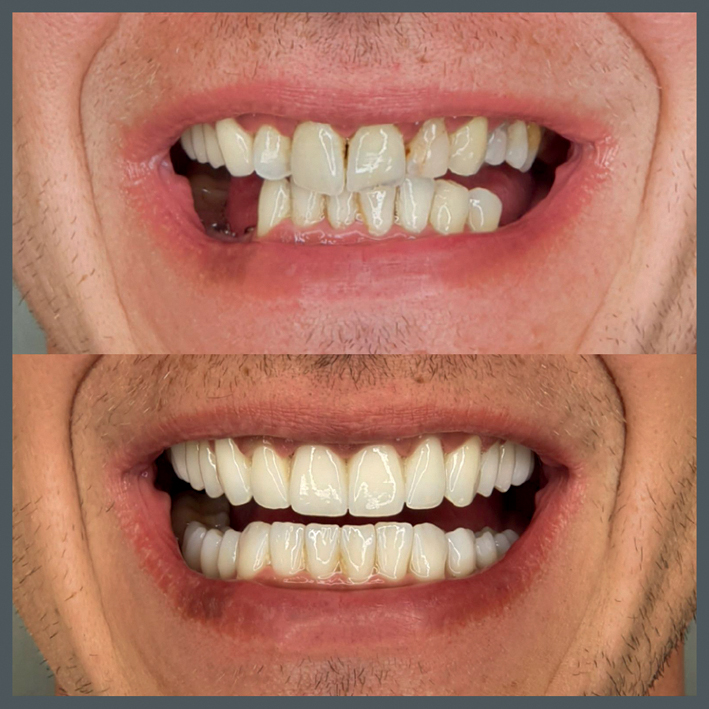
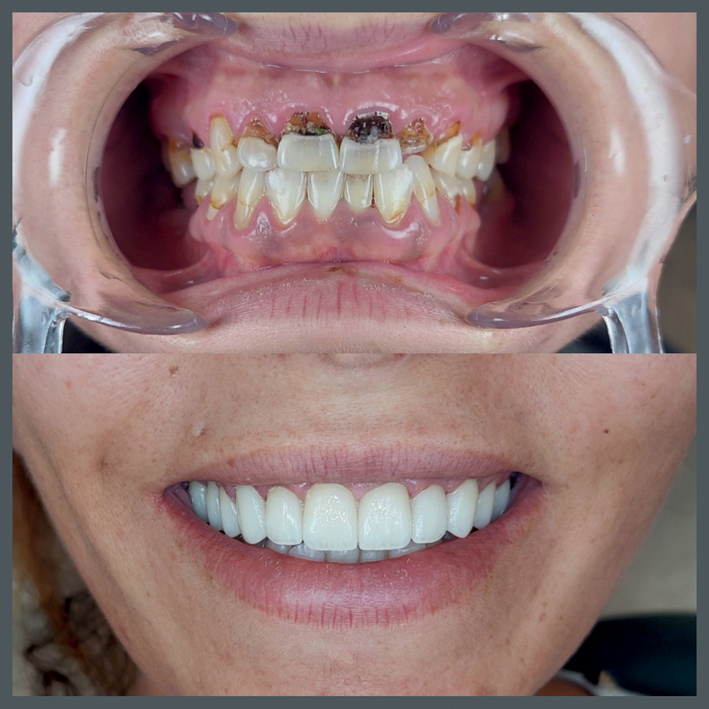
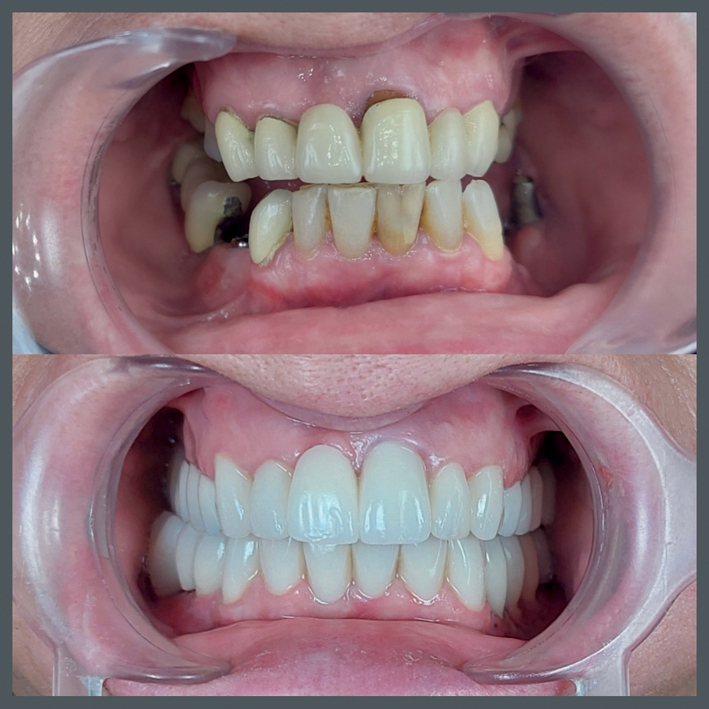
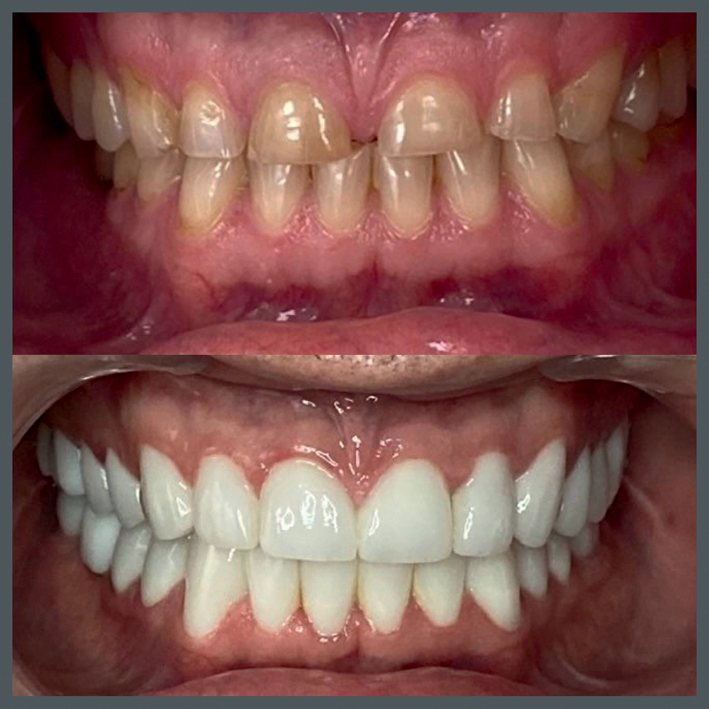
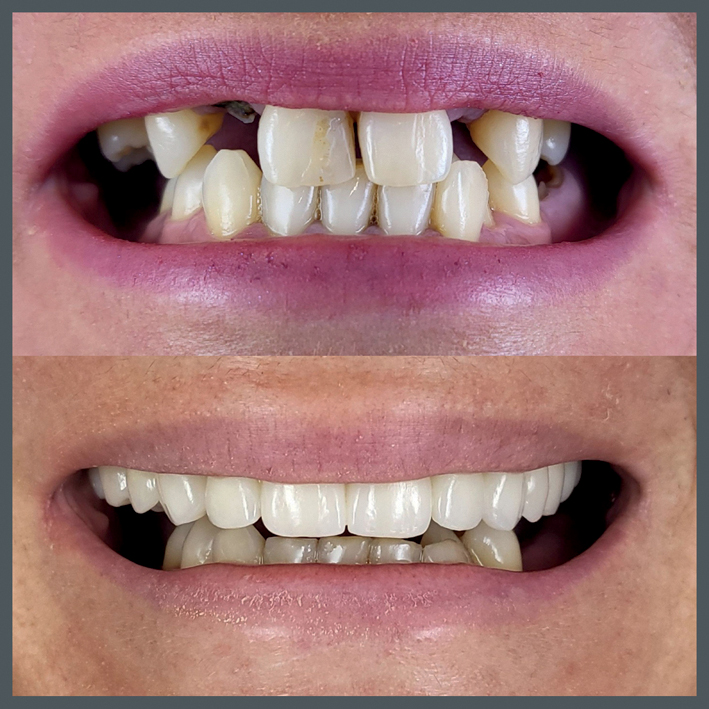
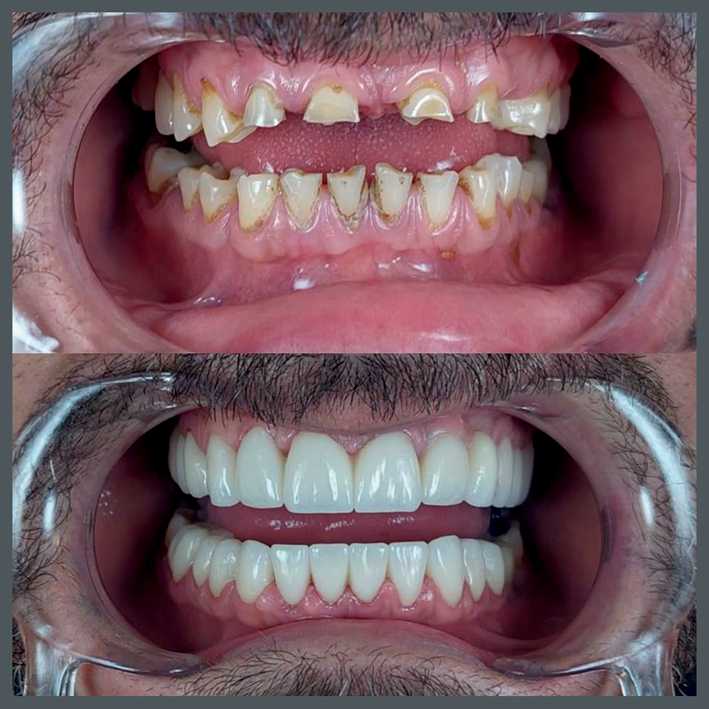
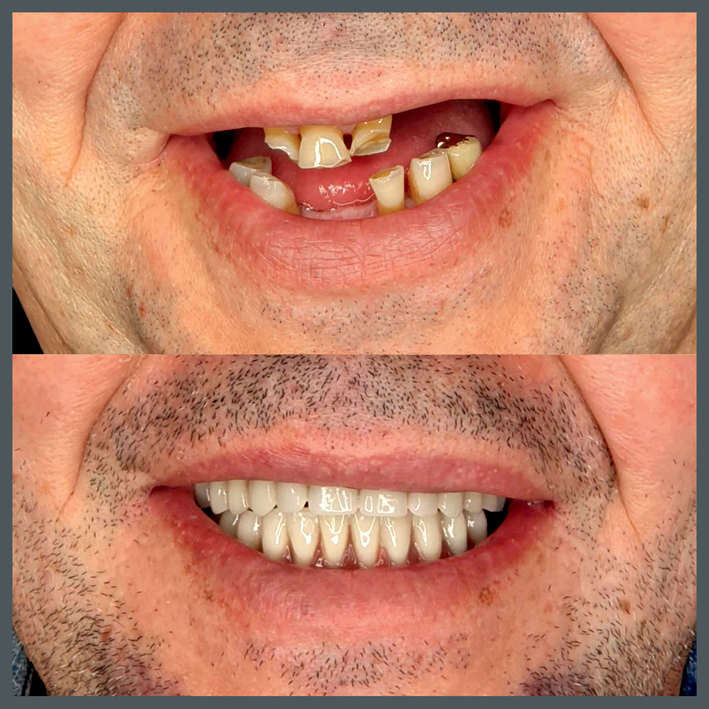
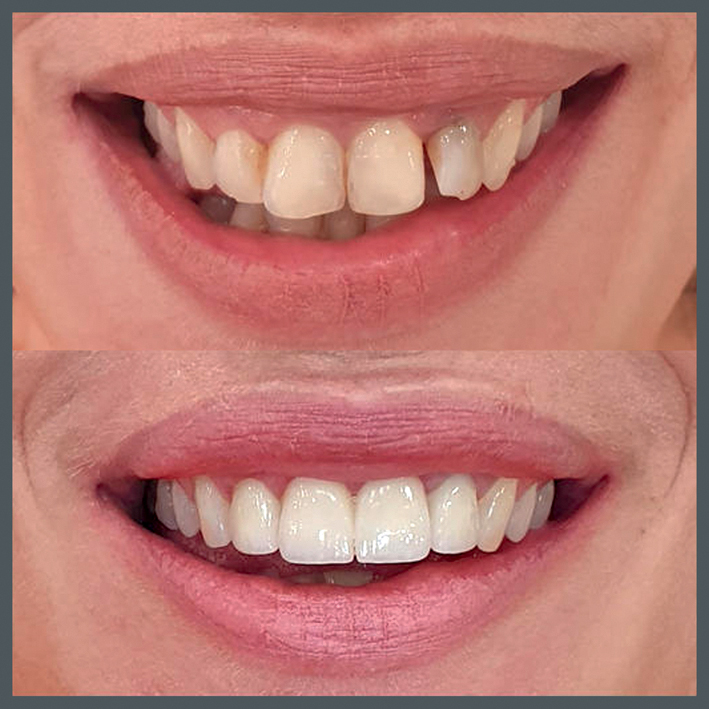
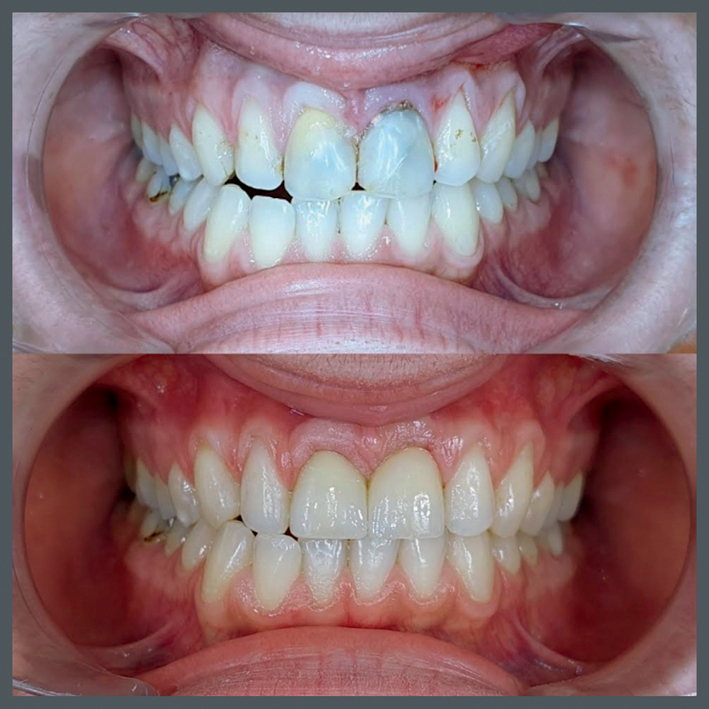
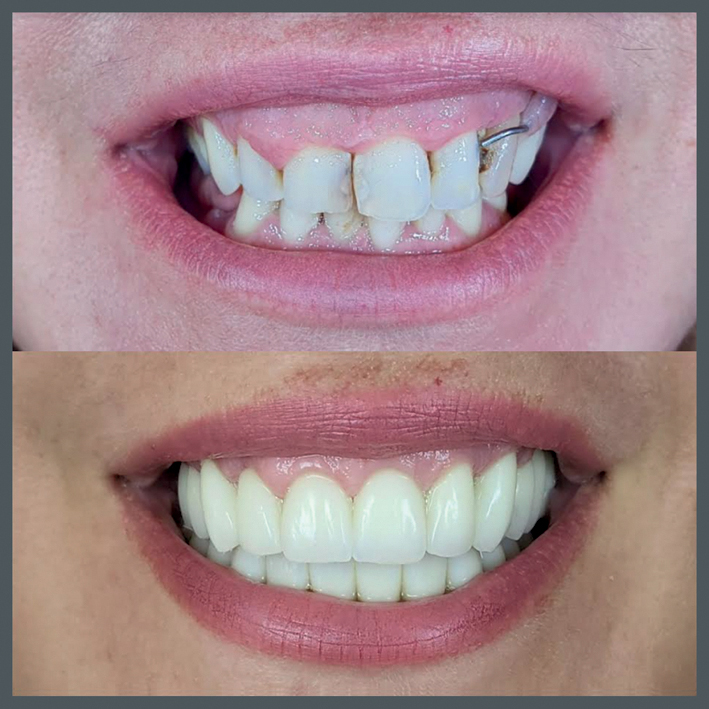
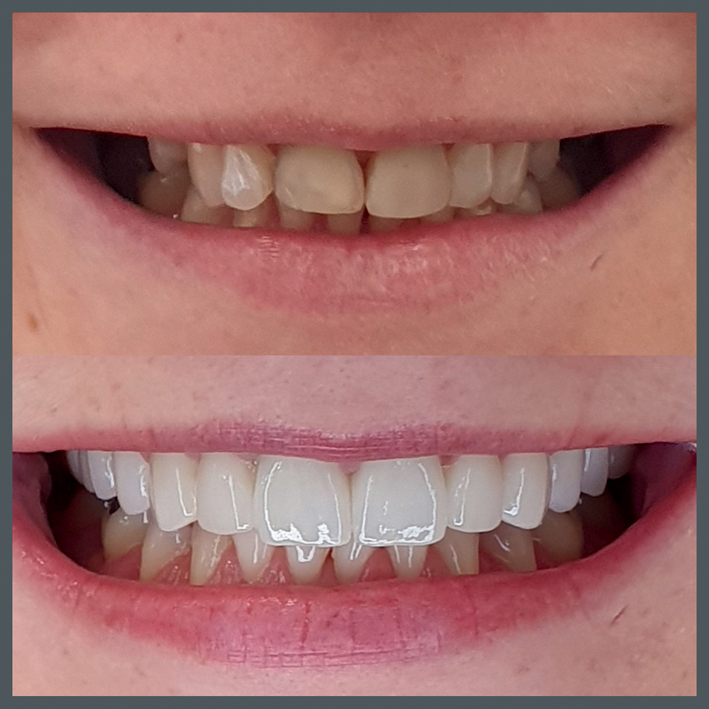
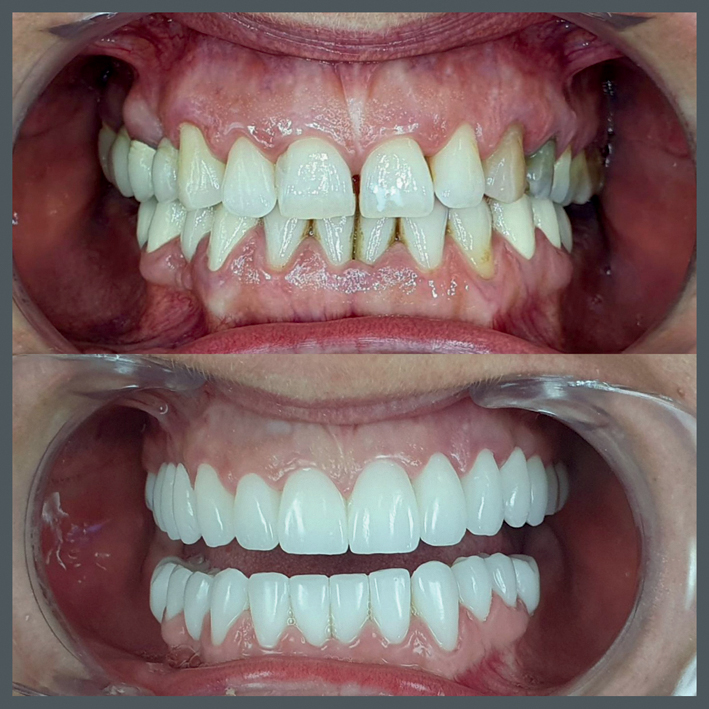
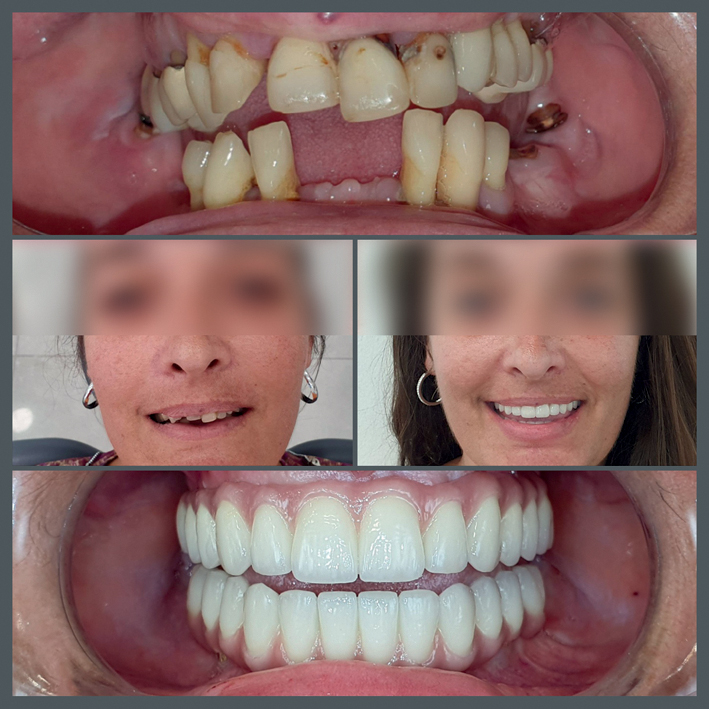
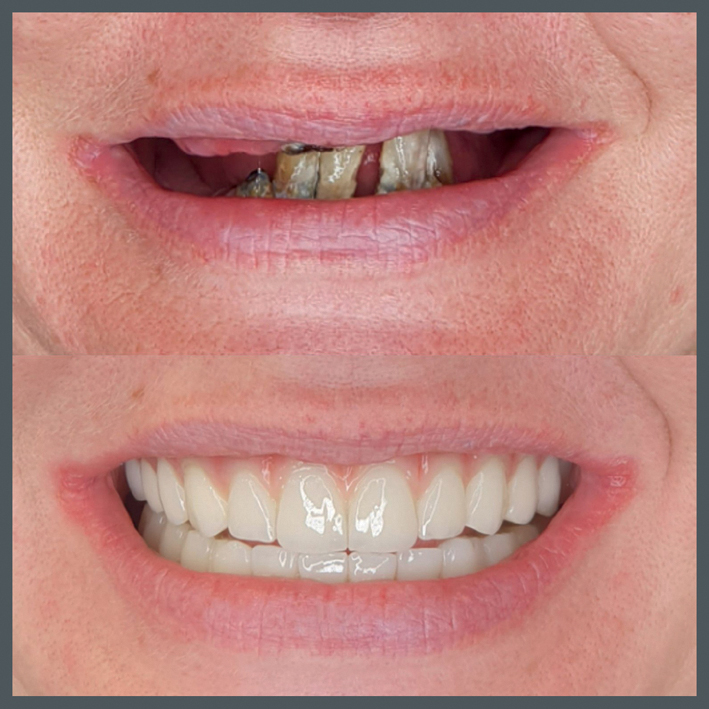
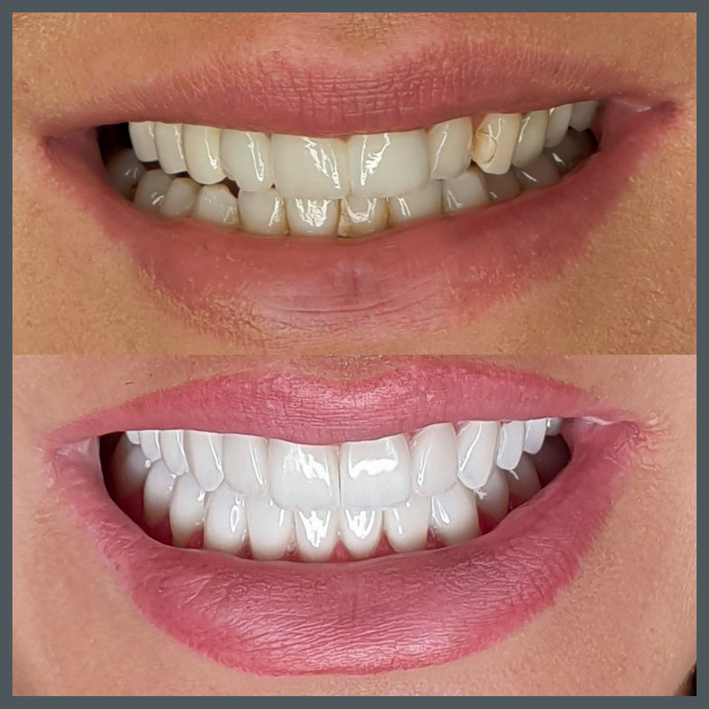
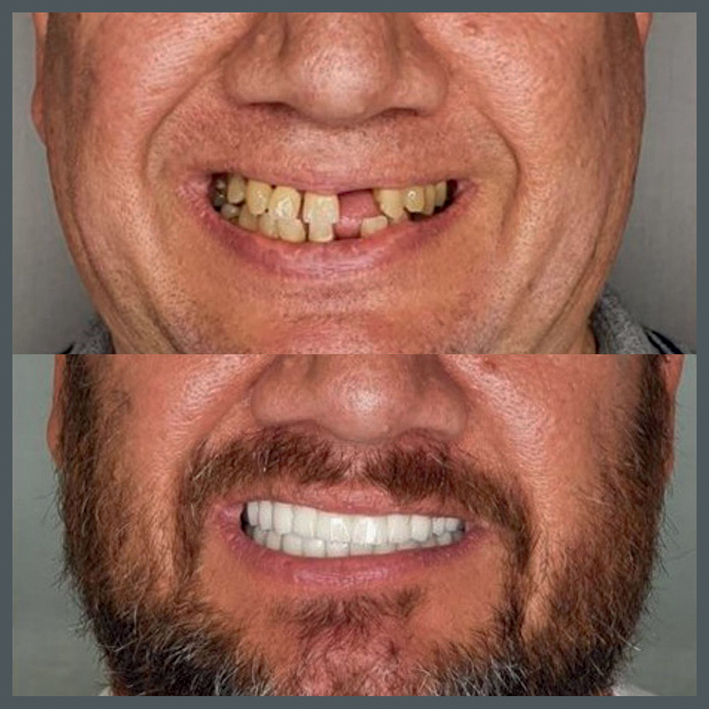
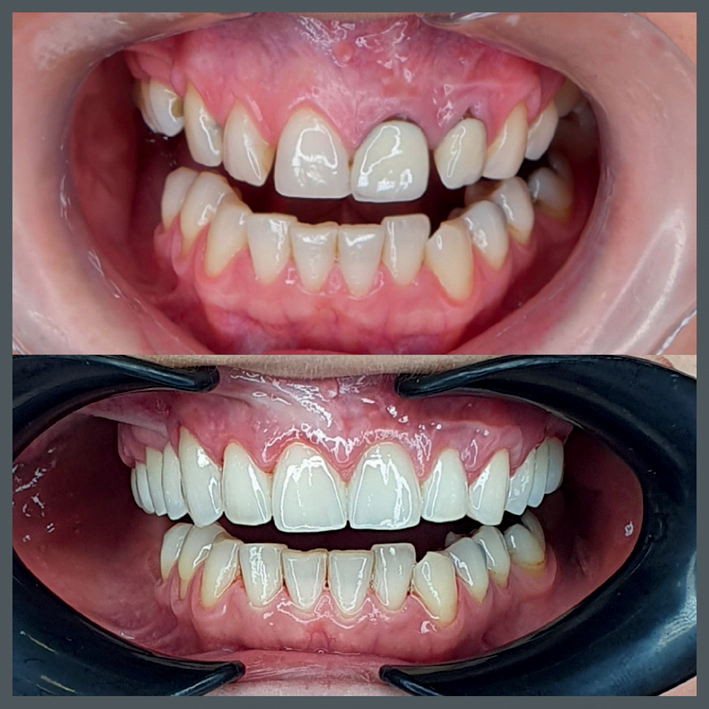
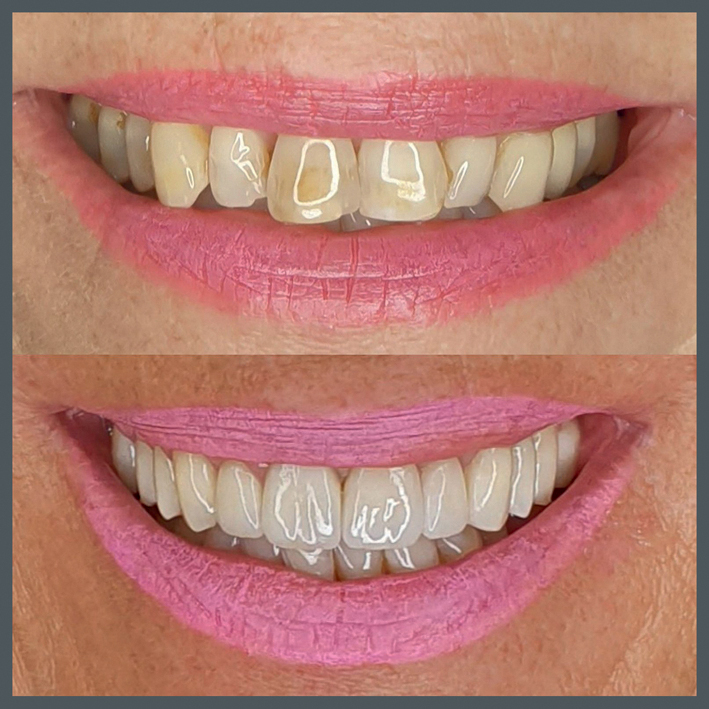
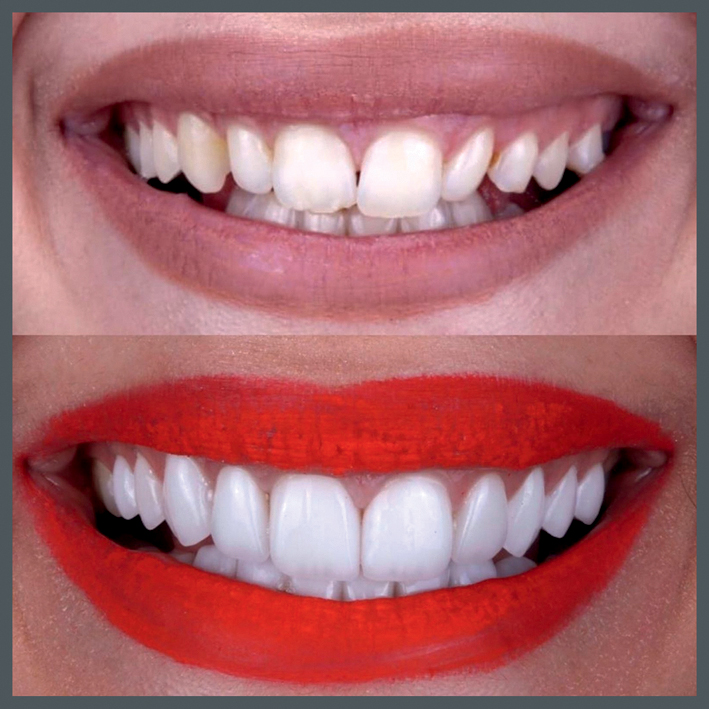
The Dental Team provides comprehensive dental care according to the highest standards with the latest state of the art equipment for precise procedures. The Dental Team standard of excellence in personalized dental care enable the staff to provide the quality dental services you deserve. The Dental Team provides comprehensive treatment planning, restorative and cosmetic dentistry services.
Your health is our priority. That is why we offer an individualized approach and treatments tailored to your needs.
Our team’s mission is to ensure that you feel comfortable throughout the entire treatment process and that you are
completely satisfied with your new smile at the end.
We provide a complete service: from examination, diagnostics and therapy planning to the treatment itself.
Bone Augmentation is a procedure that increases the amount of bone in the jaw to ensure sufficient support for implants. This procedure is often necessary when the patient does not have enough natural bone due to atrophy or other conditions.
Raising the sinuses (sinus lift), or sinus augmentation, is a surgical procedure performed with the aim of increasing the amount of bone in the upper jaw, especially in the area of the premolar and molar. This procedure is often needed when the patient does not have enough bone to post dental implants.
The sinus lifting process usually involves the formation of an opening in the bones of the upper jaw to approach the sinus cavity. After that, the sinus membrane is carefully raised, and the space that is created is filled with biocompatible materials, such as bone graft or bone substitutes. This allows new bone tissue to grow and integrate with the existing bone.
Before you decide to raise your sinuses, it is important to talk to your dentist or oral surgeon about all aspects of the procedure, including the need for surgery, possible risks and complications, as well as the expected results. It is also important to consider all alternatives and choose the best option for your oral health.
Raising the sinuses can significantly improve the quality of life of patients who need dental implants but do not have enough bone to set them up. Thanks to advances in dental medicine and technology, this procedure is increasingly safe and effective.
Dental implant is a titanium substitute, which is implanted in the upper and lower jaw bone and serves as a substitute for the root of the lost tooth. It also serves as support for individual teeth, fixed dentures, bridges or mobile dentures.
Titanium is the most commonly used material for the bone incorporation due to its exceptional strength, longevity and biocompatibility with the human body. Titanium is easily integrated with the jaw bones, which ensures the stability of the implant. After the fusion, the titanium insert serves as the root of the tooth.
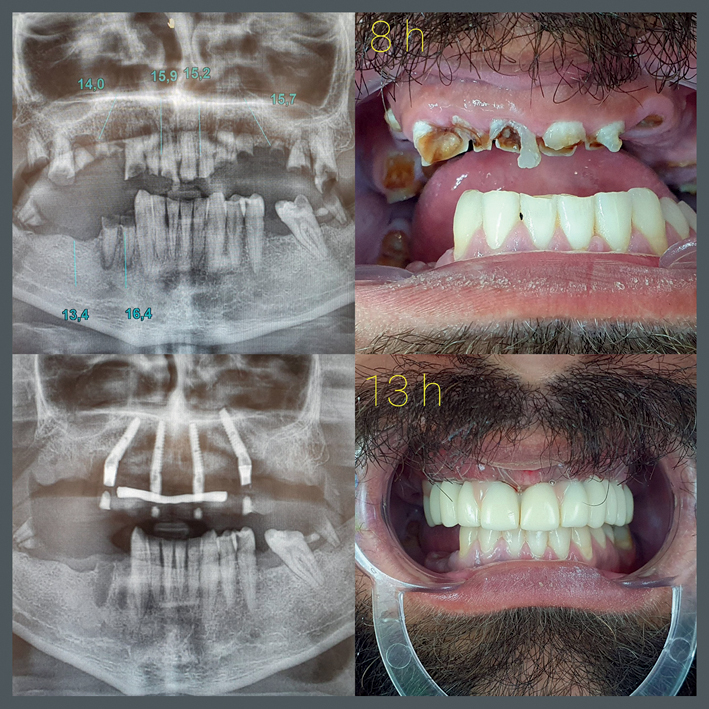
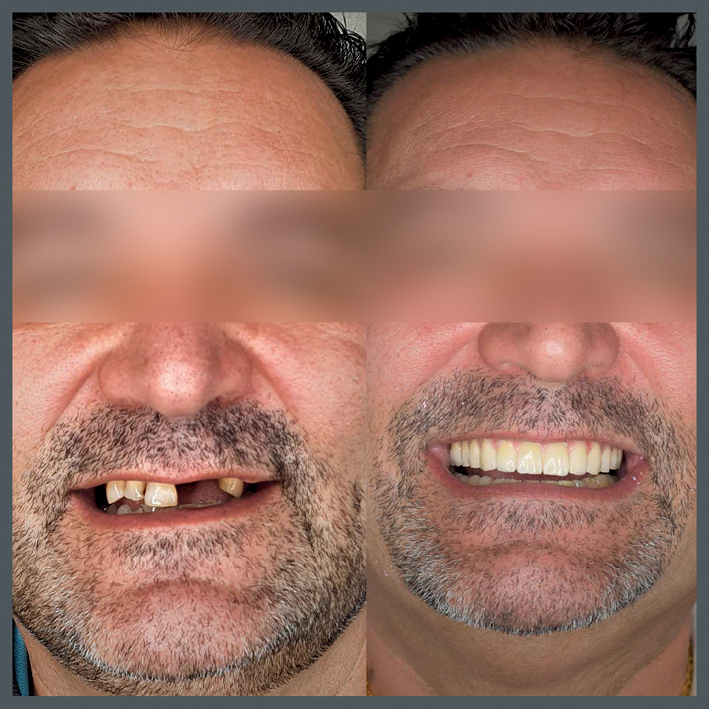
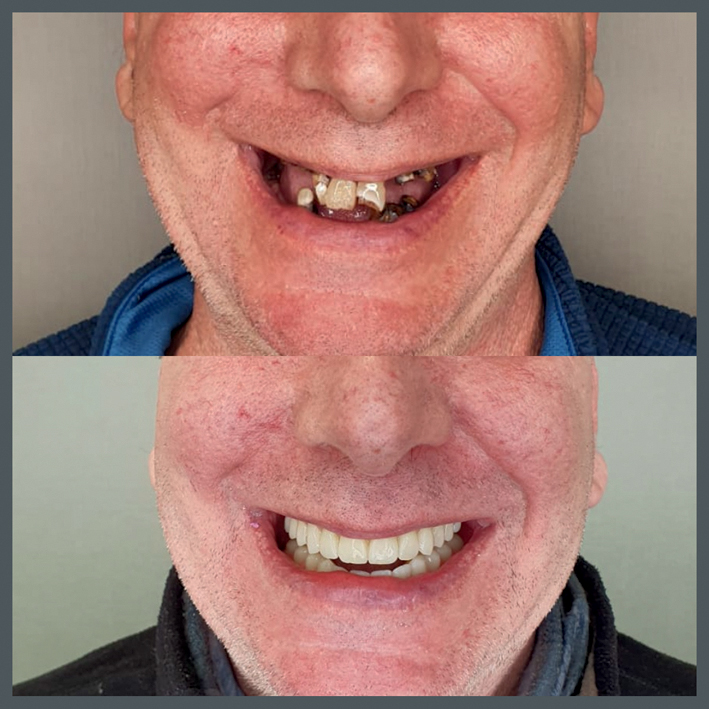
All-on-4 is the ideal solution for patients who have lost most or all their teeth and want a quick and effective solution for resuming a smile.
Advantages of the All-on-4 system:
The All-on-4 method is very safe and has a high success rate. As with any surgery, there are certain risks, but they are minimal when the procedure is carried out by an experienced dental surgeon.
Recovery can vary from patient to patient, but most people can continue their normal activities within a few days after the procedure.
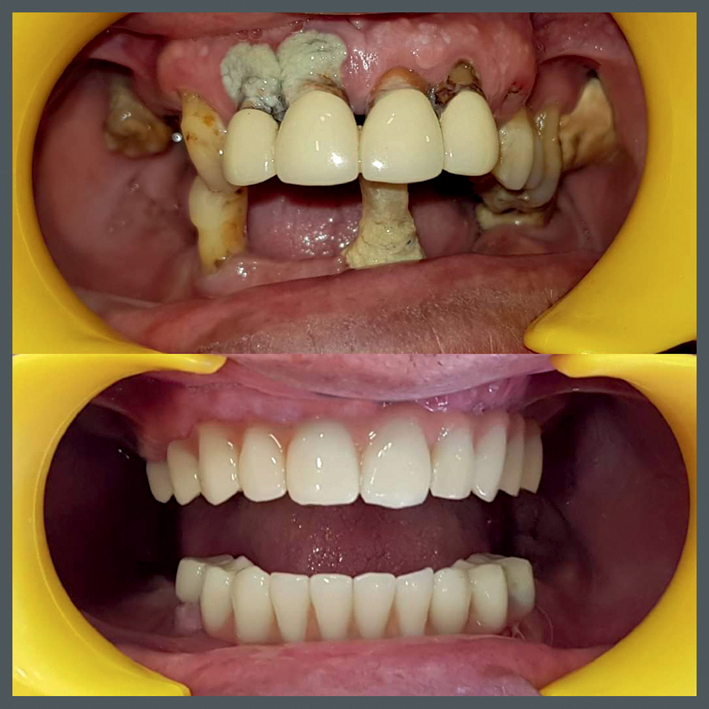
All-on-4 and All-on-6 are dental implantology methods used to reconstruct a complete tooth array. The main difference between these two methods is the number of implants placed in the jaw.
The All-on-4 method uses four implants to support the fixed prosthesis, while All-on-6 uses six implants. More implants in the All-on-6 method can provide greater stability and load distribution, which can be useful in patients with greater bone loss in the jaw.
The decision between the All-on-4 and All-on-6 method depends on many factors, including the anatomy of the patient’s jaw, the quality and quantity of the remaining bone, as well as the specific needs and desire of the patient.
Periodontology is a branch of dentistry that deals with periodontal, i.e. the treatment of supporting structures of teeth and diseases related to the gums and bones.
Plaque is sticky, white deposit that forms on the teeth and consists of bacteria, viruses, food residues and dead cells. This deposit is created throughout the day, especially after eating food and drink. If not removed by regular brushing and using the dental floss, plaque can lead to various dental problems, including caries and gum disease. Therefore, it is important to maintain good oral hygiene to prevent plaque build-up and preserve the health of teeth and gums.
Plaque build-up on teeth can be prevented by regular and proper oral hygiene habits. Thorough brushing teeth at least twice a day, using a soft toothbrush and fluoride paste, is crucial for removing plaque from the surface of the tooth. Dental floss is also necessary because it helps to remove plaque between teeth where the toothbrush can not reach.
In addition, regular dental examinations and professional cleaning can help remove stubborn plaque and prevent the formation of dental calculus. Limiting sugar and acidic drinks intake can reduce the growth of plaque-causing bacteria.